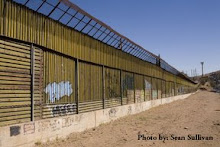
By Nat Stone
Wary of New Deal-era government expansion, and after costly brushes with fascism under Nazi Germany and Imperial Japan, in 1946 Congress passed the Administrative Procedure Act to protect United States citizens from abuses by federal agencies.
As President Roosevelt had observed during the decade-long process of negotiating the APA, to entrust federal agencies with legislative, executive, and judicial powers was also to risk corrupting these powers, and "to develop a fourth branch of government for which there is no sanction in the Constitution."
The Administrative Procedure Act authorizes and standardizes the procedures of 55 federal agencies responsible for implementing and enforcing federal laws. A manual for governance, APA requires transparency in agency rulemaking, opportunity for citizen participation, and protection of individual privacy.
Further buttressing the foundation of American civil rights, these among many provisions of the Administrative Procedure Act require that:
Agencies shall "give interested persons an opportunity to participate in the rule making…"
Agencies shall "maintain no record describing how any individual exercises rights guaranteed by the First Amendment unless expressly authorized."
Agencies shall "establish appropriate administrative, technical, and physical safeguards to insure the security and confidentiality of records…"
Whenever any agency fails to comply…in such a way as to have an adverse effect on an individual, the individual may bring a civil action against the agency…"
A person compelled to appear in person before an agency or representative thereof is entitled to be accompanied, represented, and advised by counsel…"
Under authority of Section 102 of the 2005 REAL ID Act, The Administrative Procedure Act is one of 36 federal laws now waived, without explanation, by the Department of Homeland Security for border wall construction.
Left unchecked, the unprecedented vagueness of Section 102 waiver authority, and the unjustified muting of the Administrative Procedure Act, may be repeated for other federal projects elsewhere in the nation.
For true collaboration between DHS and local agencies for appropriate border management, and to check Section 102 waiver authority, please support HR 2593, The Borderlands Conservation and Security Act.
The full text of HR 2593 can be found here:
http://www.govtrack.us/congress/billtext.xpd?bill=h110-2593.
Here is the complete list of laws that Department of Homeland Security Secretary Chertoff waived using his Real ID Act authority on April 1, 2008:
National Environmental Policy Act
Endangered Species Act
Federal Water Pollution Control Act (commonly referred to as the Clean Water Act)
National Historic Preservation Act
Migratory Bird Treaty Act
Clean Air Act
Archeological Resources Protection Act
Safe Drinking Water Act
Noise Control Act
Solid Waste Disposal Act
Comprehensive Environmental Response, Compensation, and Liability Act
Archaeological and Historic Preservation Act
Antiquities Act
Historic Sites, Buildings, and Antiquities Act
Wild and Scenic Rivers Act
Farmland Protection Policy Act
Coastal Zone Management Act
Wilderness Act
Federal Land Policy and Management Act
National Wildlife Refuge System Administration Act
Fish and Wildlife Act of 1956
Fish and Wildlife Coordination Act
Administrative Procedure Act
Otay Mountain Wilderness Act of 1999
Sections 102(29) and 103 of Title I of the California Desert Protection Act
National Park Service Organic Act
National Park Service General Authorities Act
Sections 401(7), 403, and 404 of the National Parks and Recreation Act of 1978
Sections 301(a)-(f) of the Arizona Desert Wilderness Act
Rivers and Harbors Act of 1899
Eagle Protection Act
Native American Graves Protection and Repatriation Act
American Indian Religious Freedom Act
Religious Freedom Restoration Act
National Forest Management Act of 1976
Multiple Use and Sustained Yield Act of 1960
Showing posts with label Supreme Court. Show all posts
Showing posts with label Supreme Court. Show all posts
Tuesday, July 8, 2008


Friday, June 20, 2008
The Border Wall’s Lawless History
By Scott Nicol
The border wall, which has already done tremendous damage to the environment of our borderlands, will in coming weeks plug a canyon south of San Diego. More than 2 million cubic yards of earth will be torn from adjacent hills and dumped into a canyon called Smuggler’s Gulch to create a massive earthen berm. The wall will then be built on top of this berm, rather than following the canyon’s natural contours. The Keiwit Corporation will be paid $48.6 million to fill the canyon and build 3.5 miles of border wall, doing irreparable damage the Tijuana River estuary in the process. In Keiwit’s home state of Nebraska, or any other part of the country, federal laws would limit the destruction that such a reckless project could do, but on the border the Department of Homeland Security is no longer bound by our nation’s laws.
In 1996 Congress passed the Illegal Immigration Reform and Immigrant Responsibility Act, which called for the construction of walls along the U.S.-Mexico border. Beginning in the Pacific Ocean and extending inland for 14 miles, the wall would slice through protected lands, Smuggler’s Gulch, and the Tijuana River. It would consist of parallel concrete and steel walls with a graded road between them, lights, cameras, and sensors, and 50 feet on either side cleared of all vegetation.
California’s Coastal Commission determined that the border wall would violate the federal Coastal Zone Management Act. Of particular concern was the damage that would be done to the Tijuana River National Estuarine Research Reserve and other lands that had been set aside for protection, Smuggler’s Gulch in particular, as well as impacts on threatened and endangered species. The Sierra Club and other environmental groups challenged the border wall in court, alleging that it violated the National Environmental Policy Act. The judge agreed, and construction was halted.In 2005 the Real ID Act was attached as a rider on an appropriations bill funding the wars in Iraq and Afghanistan after it failed to pass on its own merits. It contained a provision intended to overrule the objections of the California Coastal Commission and anyone else who might oppose the construction of border walls. It said, “Notwithstanding any other provision of law, the Secretary of Homeland Security shall have the authority to waive all legal requirements such Secretary, in such Secretary’s sole discretion, determines necessary to ensure expeditious construction of the barriers and roads under this section.”
Department of Homeland Security Secretary Michael Chertoff used his unprecedented new power to “waive in their entirety” the Coastal Zone Management Act, the National Environmental Policy Act, the Endangered Species Act, the Migratory Bird Treaty Act, the Clean Water Act, and other vital federal laws to build the San Diego border wall. The challenges brought by the California Coastal Commission and the Sierra Club were thrown out when the laws that they were based upon were waived.
The Real ID Act amended the Illegal Immigration Reform and Immigrant Responsibility Act, with the phrase “under this section” referring to its 14 miles of California border wall. When the Secure Fence Act was passed two weeks before the 2006 mid-term election, it further amended the Illegal Immigration Reform and Immigrant Responsibility Act, replacing the 14 miles originally called for by the act with over 700 miles of border wall. Because these new walls were now “under this section” Secretary Chertoff had the power under Real ID to “waive all legal requirements” to build them as well.
In 2007 the California pattern was repeated in Arizona. The Sierra Club and Defenders of Wildlife challenged the construction of the border wall in the San Pedro Riparian National Conservation Area. The San Pedro was recognized by the National Audubon Society as its first Globally Important Bird Area, and designated as a world heritage natural area by the United Nations World Heritage Program. The court agreed that the Department of Homeland Security had ignored the requirements of the National Environmental Policy Act when they began building the wall through Arizona’s last free-flowing river, and an injunction temporarily halting construction was handed down. Rather than comply with the law, Secretary Chertoff waived it, once again suspending the laws that were the basis of a successful suit, along with 18 others. Within days of the waiver DHS restarted construction. This case is currently pending before the Supreme Court.
Apparently hoping to head off further court challenges to the border wall, last April Secretary Chertoff issued two waivers. One waived 27 federal laws to allow for the insertion of border walls into the existing flood control levees in Hidalgo County. This followed the determination by the US Fish and Wildlife Service that, “any proposed fence and/or levee segment that bisects lands within the Lower Rio Grande National Wildlife Refuge cannot be found compatible with the purposes for which the refuge was established,” and would therefore be in violation of the National Wildlife Refuge Administration Act. It also brought an abrupt end to the Environmental Impact Statement process mandated by the National Environmental Policy Act.
The second waiver covered every other section of border wall that will be built in 2008 from San Diego, California to Brownsville, Texas. This mega-waiver suspended 36 federal laws. Along with the environmental laws set aside in earlier waivers, Chertoff waived the Farmland Protection Policy Act, the National Historic Preservation Act, the Religious Freedom Restoration Act, the Clean Water Act, the Clean Air Act, the Endangered Species Act, and a host of others. It appears that in his rush to build the border wall, Chertoff was setting aside not only the laws that the wall was certain to violate, but any law that might in any way be relevant.
Predictably, this abuse of power invited court challenge rather than curtailing it. A diverse group of plaintiffs - El Paso County, the El Paso County Water Improvement District No. 1, the Hudspeth County Conservation and Reclamation District No. 1, the Ysleta Del Sur Pueblo of the Tigua Nation, Frontera Audubon Society, the Friends of the Wildlife Corridor, the Friends of Laguna Atascosa National Wildlife Refuge, and Brownsville’s Galeria 409 - have challenged the constitutionality of the Real ID Act’s waiver provision. They allege that giving an Administration appointee the power to overrule acts of Congress that were signed by the President for the express purpose of short-circuiting the functioning of the Judiciary is a violation of the Constitutionally mandated separation of powers.
This is not just an academic question; these plaintiffs will be directly impacted by the suspension of these laws. The waiving of the American Indian Religious Freedom Act means that the wall can be built without consideration of the sites on the Rio Grande that are important to the religious practices of the Tigua Nation. The El Paso and Hudspeth County water districts are charged with providing their counties with drinking and irrigation water. Not only has Chertoff waived the Clean Water Act and the Safe Drinking Water Act, but, “all federal, state, or other laws, regulations and legal requirements of, deriving from, or related to the subject of” the laws listed in the waiver. Apparently, no laws related to water are in force, leaving water districts with no way of knowing what rules still apply.
Long after the remains of the border wall share museum space with the broken concrete of the Berlin Wall, Smuggler’s Gulch will still be filled in, and the Tijuana River estuary that it flows into silted up. Secretary Chertoff, however, is so fixated on building the border wall that he is willing to ignore the consequences of his actions. Serious violations of federal law, resulting in irreparable damage to our nation’s natural and cultural heritage; to homes and farms and businesses; and to the continuation of Native American religious practices that predate the founding of the United States, are all acceptable costs according to this narrow mindset. Chertoff has admitted that, “Yes, you can get over it; yes, you can get under it,” but in his mind an ineffectual border wall is still worth sacrificing the fundamental principles enshrined in the U.S. Constitution.
The border wall, which has already done tremendous damage to the environment of our borderlands, will in coming weeks plug a canyon south of San Diego. More than 2 million cubic yards of earth will be torn from adjacent hills and dumped into a canyon called Smuggler’s Gulch to create a massive earthen berm. The wall will then be built on top of this berm, rather than following the canyon’s natural contours. The Keiwit Corporation will be paid $48.6 million to fill the canyon and build 3.5 miles of border wall, doing irreparable damage the Tijuana River estuary in the process. In Keiwit’s home state of Nebraska, or any other part of the country, federal laws would limit the destruction that such a reckless project could do, but on the border the Department of Homeland Security is no longer bound by our nation’s laws.
In 1996 Congress passed the Illegal Immigration Reform and Immigrant Responsibility Act, which called for the construction of walls along the U.S.-Mexico border. Beginning in the Pacific Ocean and extending inland for 14 miles, the wall would slice through protected lands, Smuggler’s Gulch, and the Tijuana River. It would consist of parallel concrete and steel walls with a graded road between them, lights, cameras, and sensors, and 50 feet on either side cleared of all vegetation.
California’s Coastal Commission determined that the border wall would violate the federal Coastal Zone Management Act. Of particular concern was the damage that would be done to the Tijuana River National Estuarine Research Reserve and other lands that had been set aside for protection, Smuggler’s Gulch in particular, as well as impacts on threatened and endangered species. The Sierra Club and other environmental groups challenged the border wall in court, alleging that it violated the National Environmental Policy Act. The judge agreed, and construction was halted.In 2005 the Real ID Act was attached as a rider on an appropriations bill funding the wars in Iraq and Afghanistan after it failed to pass on its own merits. It contained a provision intended to overrule the objections of the California Coastal Commission and anyone else who might oppose the construction of border walls. It said, “Notwithstanding any other provision of law, the Secretary of Homeland Security shall have the authority to waive all legal requirements such Secretary, in such Secretary’s sole discretion, determines necessary to ensure expeditious construction of the barriers and roads under this section.”
Department of Homeland Security Secretary Michael Chertoff used his unprecedented new power to “waive in their entirety” the Coastal Zone Management Act, the National Environmental Policy Act, the Endangered Species Act, the Migratory Bird Treaty Act, the Clean Water Act, and other vital federal laws to build the San Diego border wall. The challenges brought by the California Coastal Commission and the Sierra Club were thrown out when the laws that they were based upon were waived.
The Real ID Act amended the Illegal Immigration Reform and Immigrant Responsibility Act, with the phrase “under this section” referring to its 14 miles of California border wall. When the Secure Fence Act was passed two weeks before the 2006 mid-term election, it further amended the Illegal Immigration Reform and Immigrant Responsibility Act, replacing the 14 miles originally called for by the act with over 700 miles of border wall. Because these new walls were now “under this section” Secretary Chertoff had the power under Real ID to “waive all legal requirements” to build them as well.
In 2007 the California pattern was repeated in Arizona. The Sierra Club and Defenders of Wildlife challenged the construction of the border wall in the San Pedro Riparian National Conservation Area. The San Pedro was recognized by the National Audubon Society as its first Globally Important Bird Area, and designated as a world heritage natural area by the United Nations World Heritage Program. The court agreed that the Department of Homeland Security had ignored the requirements of the National Environmental Policy Act when they began building the wall through Arizona’s last free-flowing river, and an injunction temporarily halting construction was handed down. Rather than comply with the law, Secretary Chertoff waived it, once again suspending the laws that were the basis of a successful suit, along with 18 others. Within days of the waiver DHS restarted construction. This case is currently pending before the Supreme Court.
Apparently hoping to head off further court challenges to the border wall, last April Secretary Chertoff issued two waivers. One waived 27 federal laws to allow for the insertion of border walls into the existing flood control levees in Hidalgo County. This followed the determination by the US Fish and Wildlife Service that, “any proposed fence and/or levee segment that bisects lands within the Lower Rio Grande National Wildlife Refuge cannot be found compatible with the purposes for which the refuge was established,” and would therefore be in violation of the National Wildlife Refuge Administration Act. It also brought an abrupt end to the Environmental Impact Statement process mandated by the National Environmental Policy Act.
The second waiver covered every other section of border wall that will be built in 2008 from San Diego, California to Brownsville, Texas. This mega-waiver suspended 36 federal laws. Along with the environmental laws set aside in earlier waivers, Chertoff waived the Farmland Protection Policy Act, the National Historic Preservation Act, the Religious Freedom Restoration Act, the Clean Water Act, the Clean Air Act, the Endangered Species Act, and a host of others. It appears that in his rush to build the border wall, Chertoff was setting aside not only the laws that the wall was certain to violate, but any law that might in any way be relevant.
Predictably, this abuse of power invited court challenge rather than curtailing it. A diverse group of plaintiffs - El Paso County, the El Paso County Water Improvement District No. 1, the Hudspeth County Conservation and Reclamation District No. 1, the Ysleta Del Sur Pueblo of the Tigua Nation, Frontera Audubon Society, the Friends of the Wildlife Corridor, the Friends of Laguna Atascosa National Wildlife Refuge, and Brownsville’s Galeria 409 - have challenged the constitutionality of the Real ID Act’s waiver provision. They allege that giving an Administration appointee the power to overrule acts of Congress that were signed by the President for the express purpose of short-circuiting the functioning of the Judiciary is a violation of the Constitutionally mandated separation of powers.
This is not just an academic question; these plaintiffs will be directly impacted by the suspension of these laws. The waiving of the American Indian Religious Freedom Act means that the wall can be built without consideration of the sites on the Rio Grande that are important to the religious practices of the Tigua Nation. The El Paso and Hudspeth County water districts are charged with providing their counties with drinking and irrigation water. Not only has Chertoff waived the Clean Water Act and the Safe Drinking Water Act, but, “all federal, state, or other laws, regulations and legal requirements of, deriving from, or related to the subject of” the laws listed in the waiver. Apparently, no laws related to water are in force, leaving water districts with no way of knowing what rules still apply.
Long after the remains of the border wall share museum space with the broken concrete of the Berlin Wall, Smuggler’s Gulch will still be filled in, and the Tijuana River estuary that it flows into silted up. Secretary Chertoff, however, is so fixated on building the border wall that he is willing to ignore the consequences of his actions. Serious violations of federal law, resulting in irreparable damage to our nation’s natural and cultural heritage; to homes and farms and businesses; and to the continuation of Native American religious practices that predate the founding of the United States, are all acceptable costs according to this narrow mindset. Chertoff has admitted that, “Yes, you can get over it; yes, you can get under it,” but in his mind an ineffectual border wall is still worth sacrificing the fundamental principles enshrined in the U.S. Constitution.
Thursday, May 29, 2008
Texas Groups Sue to Force the Department of Homeland Security to Obey Our Nation's Laws
The Frontera Audubon Society, the Friends of the Wildlife Corridor, and the Friends of Laguna Atascosa National Wildlife Refuge are suing Homeland Security Secretary Michael Chertoff for waiving 36 federal laws in order to build walls along the U.S.-Mexico border. They are joined in this effort by a diverse group of plaintiffs along the Texas-Mexico border: El Paso County, the El Paso County Water Improvement District No. 1, the Hudspeth County Conservation and Reclamation District No. 1, the Ysleta Del Sur Pueblo of the Tigua Nation, and Brownsville’s Galeria 409. The Texas organizations are challenging the constitutionality of section 102 of the Real ID Act, which gives Secretary Chertoff the power to waive any and all federal, state and local laws in order to facilitate construction of the border wall. The suit claims that by placing the authority to unilaterally suspend all laws in the hands of a single Administration appointee, the Real ID Act violates the Constitution’s separation of powers. As organizations dedicated to the preservation of South Texas’ remaining wildlife habitat, these groups assert that if environmental laws are waived, years of effort to protect species and restore critical habitat will be lost.
 In April DHS Secretary Chertoff announced that he was using his waiver power to ignore 36 federal laws, including the Endangered Species Act, the Migratory Bird Treaty Act, the National Wildlife Refuge System Administration Act, and the National Environmental Policy Act, in order to speed up construction of over 300 miles of border wall. The only reason for Secretary Chertoff to waive these laws is that he knows that the border wall will violate them.
The fate of the Lower Rio Grande Valley National Wildlife Refuge system is of particular concern. Consisting of individual tracts of native habitat linked by the Rio Grande, it creates a wildlife corridor, providing endangered species such as the ocelot and jaguarundi sufficient territory to find food, water, and mates. Migratory birds also rely on it to rest and refuel on their annual journeys, as well as for nesting. Maps released by DHS show the border wall slicing through many refuge tracts, and cutting off others from the river. The wall will fragment habitat, block migratory pathways, deny animals access to fresh water, and isolate breeding populations of endangered ocelot and jagurandi.
"It's taken 30 years, $80 million, and back-breaking effort to create an 80,000 acre wildlife corridor along the last 250 miles of the Rio Grande. To put a fence or wall through that is insanity," said Keith Hackland, President of the Friends of the Wildlife Corridor.
 “Currently, there are only 80 to 100 wild ocelots remaining in the continental U.S., and they cannot hope to survive without the wildlife corridor and the protection of the Endangered Species Act,” said Shane Wilson, President of the Friends of Laguna Atascosa. “The border wall, as proposed, will ensure that future generations will never witness the spectacular beauty of seeing an ocelot in the wild.”
“Further habitat losses in the Valley, which serves as a vital stop over and feeding grounds for hundreds of species of migrating coastal shorebirds, inland waterfowl, and passerines, and nesting habitat for approximately 150 more species, will be catastrophic,” said Wayne Bartholomew, Executive Director of Frontera Audubon.
In their suit, the organizations ask the court to declare section 102 of the Real ID Act unconstitutional and to prevent the Department of Homeland Security from building walls, roads, or other infrastructure on the border that do not fully comply with all of our nation’s environmental laws.
"To instantly dissolve 96 years of environmental laws and protection with a mere wave of the hand is nothing short of monstrous,” said Jim Chapman, Board President of the Frontera Audubon Society. “If laws can be so easily swept aside on the border, the same precedent could be applied anywhere, from the Arctic National Wildlife Refuge to Yellowstone National Park. If our nation’s laws are optional, they aren’t really laws.”
In the April waiver the Department of Homeland Security suspended the following federal laws along the United States' southern border:
The National Environmental Policy Act
The Endangered Species Act
The Federal Water Pollution Control Act (commonly referred to as the Clean Water Act)
The National Historic Preservation Act
The Migratory Bird Treaty Act
The Clean Air Act
The Archeological Resources Protection Act
The Safe Drinking Water Act
The Noise Control Act
The Solid Waste Disposal Act, as amended by the Resource Conservation and Recovery Act
The Comprehensive Environmental Response, Compensation, and Liability Act
The Archaeological and Historic Preservation Act
The Antiquities Act
The Historic Sites, Buildings, and Antiquities Act
The Wild and Scenic Rivers Act
The Farmland Protection Policy Act
The Coastal Zone Management Act
The Wilderness Act
The Federal Land Policy and Management Act
The National Wildlife Refuge System Administration Act
The Fish and Wildlife Act of 1956
The Fish and Wildlife Coordination Act
The Administrative Procedure Act
The Otay Mountain Wilderness Act of 1999
Sections 102(29) and 103 of Title I of the California Desert Protection Act
The National Park Service Organic Act
The National Park Service General Authorities Act
Sections 401(7), 403, and 404 of the National Parks and Recreation Act of 1978
Sections 301(a)-(f) of the Arizona Desert Wilderness Act
The Rivers and Harbors Act of 1899
The Eagle Protection Act
The Native American Graves Protection and Repatriation Act
The American Indian Religious Freedom Act
The Religious Freedom Restoration Act
The National Forest Management Act of 1976
The Multiple Use and Sustained Yield Act of 1960
 In April DHS Secretary Chertoff announced that he was using his waiver power to ignore 36 federal laws, including the Endangered Species Act, the Migratory Bird Treaty Act, the National Wildlife Refuge System Administration Act, and the National Environmental Policy Act, in order to speed up construction of over 300 miles of border wall. The only reason for Secretary Chertoff to waive these laws is that he knows that the border wall will violate them.
The fate of the Lower Rio Grande Valley National Wildlife Refuge system is of particular concern. Consisting of individual tracts of native habitat linked by the Rio Grande, it creates a wildlife corridor, providing endangered species such as the ocelot and jaguarundi sufficient territory to find food, water, and mates. Migratory birds also rely on it to rest and refuel on their annual journeys, as well as for nesting. Maps released by DHS show the border wall slicing through many refuge tracts, and cutting off others from the river. The wall will fragment habitat, block migratory pathways, deny animals access to fresh water, and isolate breeding populations of endangered ocelot and jagurandi.
"It's taken 30 years, $80 million, and back-breaking effort to create an 80,000 acre wildlife corridor along the last 250 miles of the Rio Grande. To put a fence or wall through that is insanity," said Keith Hackland, President of the Friends of the Wildlife Corridor.
 “Currently, there are only 80 to 100 wild ocelots remaining in the continental U.S., and they cannot hope to survive without the wildlife corridor and the protection of the Endangered Species Act,” said Shane Wilson, President of the Friends of Laguna Atascosa. “The border wall, as proposed, will ensure that future generations will never witness the spectacular beauty of seeing an ocelot in the wild.”
“Further habitat losses in the Valley, which serves as a vital stop over and feeding grounds for hundreds of species of migrating coastal shorebirds, inland waterfowl, and passerines, and nesting habitat for approximately 150 more species, will be catastrophic,” said Wayne Bartholomew, Executive Director of Frontera Audubon.
In their suit, the organizations ask the court to declare section 102 of the Real ID Act unconstitutional and to prevent the Department of Homeland Security from building walls, roads, or other infrastructure on the border that do not fully comply with all of our nation’s environmental laws.
"To instantly dissolve 96 years of environmental laws and protection with a mere wave of the hand is nothing short of monstrous,” said Jim Chapman, Board President of the Frontera Audubon Society. “If laws can be so easily swept aside on the border, the same precedent could be applied anywhere, from the Arctic National Wildlife Refuge to Yellowstone National Park. If our nation’s laws are optional, they aren’t really laws.”
In the April waiver the Department of Homeland Security suspended the following federal laws along the United States' southern border:
The National Environmental Policy Act
The Endangered Species Act
The Federal Water Pollution Control Act (commonly referred to as the Clean Water Act)
The National Historic Preservation Act
The Migratory Bird Treaty Act
The Clean Air Act
The Archeological Resources Protection Act
The Safe Drinking Water Act
The Noise Control Act
The Solid Waste Disposal Act, as amended by the Resource Conservation and Recovery Act
The Comprehensive Environmental Response, Compensation, and Liability Act
The Archaeological and Historic Preservation Act
The Antiquities Act
The Historic Sites, Buildings, and Antiquities Act
The Wild and Scenic Rivers Act
The Farmland Protection Policy Act
The Coastal Zone Management Act
The Wilderness Act
The Federal Land Policy and Management Act
The National Wildlife Refuge System Administration Act
The Fish and Wildlife Act of 1956
The Fish and Wildlife Coordination Act
The Administrative Procedure Act
The Otay Mountain Wilderness Act of 1999
Sections 102(29) and 103 of Title I of the California Desert Protection Act
The National Park Service Organic Act
The National Park Service General Authorities Act
Sections 401(7), 403, and 404 of the National Parks and Recreation Act of 1978
Sections 301(a)-(f) of the Arizona Desert Wilderness Act
The Rivers and Harbors Act of 1899
The Eagle Protection Act
The Native American Graves Protection and Repatriation Act
The American Indian Religious Freedom Act
The Religious Freedom Restoration Act
The National Forest Management Act of 1976
The Multiple Use and Sustained Yield Act of 1960
Monday, April 7, 2008
Members of Congress Support the Constitutional Challenge to Chertoff's Border Wall Waivers
Today 14 members of Congress announced that they will file an Amicus Curiae brief in support of the constitutional challenge to the Real ID Act filed by the Sierra Club and Defenders of Wildlife. Section 102 of the Real ID Act gives Secretary Chertoff and Secretary Chertoff alone the power to waive any local, state, or federal law that he decides will slow construction of the border wall. The Real ID Act failed when it was introduced as a stand alone bill, and only passed when it was attached as a rider on a bill funding the wars in Iraq and Afghanistan, along with tsunami relief. The power given to the Secretary of Homeland Security to sweep away laws passed by Congress and signed by the President for the express purpose of avoiding judicial review is clearly a violation of the separation of powers provided for in the US Constitution.
It is extremely heartening to see members of Congress defending the Constitution and the rule of law. Many members of Congress appear to be too frightened of the lobbying power of xenophobic extremists, or of the likely negative press spewed by pundits such as Lou Dobbs and Sean Hannnity. Rather than stand up for what they know is right, they crouch down and hope that they won't be noticed and the whole issue will go away. Any member of Congress who has not signed on to the Amicus Curiae brief in support of the Constitutional challenge to Chertoff's unchecked power should be contacted and asked to explain their inaction. Members of the House of Representatives should also be urged to cosponsor the Borderlands Conservation and Security Act (HR 2593) which would repeal section 102 of the Real ID Act, restoring the rule of law to our borderlands.
The following is the press release issued by the members of Congress who will sign the Amicus Curiae brief:
It is extremely heartening to see members of Congress defending the Constitution and the rule of law. Many members of Congress appear to be too frightened of the lobbying power of xenophobic extremists, or of the likely negative press spewed by pundits such as Lou Dobbs and Sean Hannnity. Rather than stand up for what they know is right, they crouch down and hope that they won't be noticed and the whole issue will go away. Any member of Congress who has not signed on to the Amicus Curiae brief in support of the Constitutional challenge to Chertoff's unchecked power should be contacted and asked to explain their inaction. Members of the House of Representatives should also be urged to cosponsor the Borderlands Conservation and Security Act (HR 2593) which would repeal section 102 of the Real ID Act, restoring the rule of law to our borderlands.
The following is the press release issued by the members of Congress who will sign the Amicus Curiae brief:
April 7, 2008 – Today, Congressman Bennie G. Thompson (D-MS), Chairman of the Committee on Homeland Security led a group of 14 Members of Congress, including eight Committee Chairmen, in submitting a notice of intent to file an Amicus Curiae brief in the Defenders of Wildlife case (No. 07-1180). The brief, which will be filed by the end of the month, pertains to Homeland Security Secretary Michael Chertoff’s use of questionable waiver authority to skirt numerous federal laws in order to construct fencing along the southwest border.
The Amici will urge the Supreme Court to grant certiorari in the case. The petitioners, the Defenders of Wildlife and Sierra Club, allege that the Department of Homeland Security’s use of the waiver is unconstitutional.
Today’s notice of intent is being submitted by:
· Homeland Security Committee Chairman Bennie G. Thompson (D-MS);
· Energy & Commerce Committee Chairman John Dingell (D-MI);
· Judiciary Committee Chairman John Conyers (D-MI);
· Transportation & Infrastructure Committee Chairman James Oberstar (D-MN);
· Education and Labor Committee Chairman George Miller (D-CA);
· Rules Committee Chairwoman Louise Slaughter (D-NY)
· Veterans Affairs Chairman Bob Filner (D-CA);
· Intelligence Committee Chairman Silvestre Reyes (D-TX);
· Congressman Solomon Ortiz (D-TX);
· Congresswoman Zoe Lofgren (D-CA);
· Congresswoman Sheila Jackson Lee (D-CA);
· Congresswoman Susan Davis (D-CA);
· Congressman Raul M. Grijalva (D-AZ); and
· Congresswoman Yvette D. Clarke (D-NY).
Speaking to today’s filing, Chairman Thompson noted that “this waiver by the Secretary of Homeland Security is a direct challenge to Congress’s Constitutional role. The American people entrust Congress to ensure that the laws of this land are faithfully executed not excused by the Executive Branch.” Congressman Thompson added that “while the protection of our nation is a paramount concern to all of us, DHS must act prudently and respect the laws that Congress has written. The far-reaching effects that this waiver will have on the institution of Congress, as well as the border, demands that we act swiftly.”
House Judiciary Committee Chairman John Conyers, Jr. (D-MI) added that "our responsibility to be stewards of the earth cannot be thrown aside for the sake of an ill-conceived border fence. The Administration exempts itself from a duty to protect the environment, sacred burial sites, and centuries-old farms, but conveniently spares wealthy landowners from the bulldozers."
“This blanket waiver of laws like the Clean Air Act and the Safe Drinking Water Act is a clear and disturbing abuse of the Secretary’s discretion,” added Rep. John D. Dingell, Chairman of the House Committee on Energy and Commerce. “Congress’ efforts to seek justification for this waiver from DHS have been stonewalled, which leads me to believe none exists.”
“The Department of Homeland Security’s decision to issue waivers to expedite the construction of a wasteful fence along the Southwest border is disappointing at best. As a former Border Patrol Sector Chief and current Chair of the House Intelligence Committee, I know the importance of securing our borders and fully support providing our agents with strong tools to carry out their jobs. I do not, however, support DHS’s continued disregard for border communities. This recent attempt to bypass more than 30 laws and regulations to pursue an already ill-advised idea should not move forward,” added Intelligence Committee Chairman Silvestre Reyes.
The Members are represented by Alan E. Untereiner, Max Huffman, and Alan D. Strasser of Robbins, Russell, Englert, Orseck, Untereiner & Sauber LLP in Washington, DC.
Tuesday, April 1, 2008
Chertoff’s Border Wall Waiver is an Assault on the Rule of Law
The No Border Wall Coalition is deeply disturbed by the announcement that Department of Homeland Security Secretary Michael Chertoff has decided to “waive in their entirety” 36 federal laws to build walls along the entire United States’ southern border. This represents an unprecedented abuse of authority on Secretary Chertoff’s part, and clearly demonstrates the need for an immediate repeal of section 102 of the Real ID Act. Obeying the law is not voluntary, it is mandatory, and Secretary Chertoff cannot claim that he is sweeping aside a host of laws on the border in defense of immigration laws. In a nation of laws all laws must be respected, not just those that are convenient.
Equal protection under the law is meant to be a fundamental right shared by every American, but the Real ID Act makes the legal rights of citizens who live near the border conditional on Secretary Chertoff’s whims. Section 102 of the Real ID Act of 2005 states, “Notwithstanding any other provision of law, the Secretary of Homeland Security shall have the authority to waive all legal requirements such Secretary, in such Secretary’s sole discretion, determines necessary to ensure expeditious construction of the barriers and roads under this section.” No one else is granted this extreme power under any circumstance. The president cannot waive our nation’s laws even in times of national crisis, and Secretary Chertoff cannot waive the laws that protect citizens who live away from the border. Only border residents may have their legal protections waived.
Secretary Chertoff claims that the Secure Fence Act mandates walls along the border, and he therefore has no choice but to build border walls no matter the cost. The walls that are scheduled for construction in 2008 will destroy homes, businesses, and farms, will slice through communities, parks, and wildlife refuges, and will cost tens of billions of dollars. Border walls will not stop anyone from entering the United States, and in July 2007 the Congressional Research Service concluded that the California border wall “did not have a discernible impact on the influx of unauthorized aliens coming across the border in San Diego.” Recognizing this fact language was inserted into the 2007 Omnibus Spending bill that allowed Secretary Chertoff to decide whether or not walls would be built in a given area based on tactical considerations, and required that he consult with local stakeholders. Despite the fact that his hands are no longer tied, Secretary Chertoff prefers to act as though the Secure Fence Act is still the law of the land, and it is apparently the only law that he continues to respect.
In announcing the Real ID waivers Secretary Chertoff said, "Criminal activity at the border does not stop for endless debate or protracted litigation." The waivers are essentially an admission that the border wall will itself violate up to 36 federal laws, making construction of the wall a criminal act. If Chertoff is genuinely concerned with criminal activity he should ensure that the agency that he oversees complies with the law.
The only reason for Secretary Chertoff to waive these laws is because he knows that the border wall will violate them. In setting these 36 federal laws aside Secretary Chertoff sets himself above the law. If congress allows unchecked power to remain in the hands of an unelected administration appointee they are complicit in fundamentally undermining the rule of law. Leaving the Real ID Act on the books and allowing Chertoff’s waivers to stand sets a precedent that should outrage the American people. If our nation’s laws can be set aside to build a border wall today, they may be similarly set aside for whatever crisis politicians discover in the next election cycle.
The No Border Wall coalition calls on congress to repeal section 102 of the Real ID Act and restore the rule of law. We also urge the Supreme Court to take up the constitutional challenge brought by the Defenders of Wildlife and Sierra Club to Secretary Chertoff’s earlier waiver of 19 federal laws to force the border wall through the San Pedro Riparian National Conservation Area in Arizona. Allowing one man to overrule laws passed by Congress and signed by the President for the express intent of circumventing judicial oversight is fundamentally un-American.
Equal protection under the law is meant to be a fundamental right shared by every American, but the Real ID Act makes the legal rights of citizens who live near the border conditional on Secretary Chertoff’s whims. Section 102 of the Real ID Act of 2005 states, “Notwithstanding any other provision of law, the Secretary of Homeland Security shall have the authority to waive all legal requirements such Secretary, in such Secretary’s sole discretion, determines necessary to ensure expeditious construction of the barriers and roads under this section.” No one else is granted this extreme power under any circumstance. The president cannot waive our nation’s laws even in times of national crisis, and Secretary Chertoff cannot waive the laws that protect citizens who live away from the border. Only border residents may have their legal protections waived.
Secretary Chertoff claims that the Secure Fence Act mandates walls along the border, and he therefore has no choice but to build border walls no matter the cost. The walls that are scheduled for construction in 2008 will destroy homes, businesses, and farms, will slice through communities, parks, and wildlife refuges, and will cost tens of billions of dollars. Border walls will not stop anyone from entering the United States, and in July 2007 the Congressional Research Service concluded that the California border wall “did not have a discernible impact on the influx of unauthorized aliens coming across the border in San Diego.” Recognizing this fact language was inserted into the 2007 Omnibus Spending bill that allowed Secretary Chertoff to decide whether or not walls would be built in a given area based on tactical considerations, and required that he consult with local stakeholders. Despite the fact that his hands are no longer tied, Secretary Chertoff prefers to act as though the Secure Fence Act is still the law of the land, and it is apparently the only law that he continues to respect.
In announcing the Real ID waivers Secretary Chertoff said, "Criminal activity at the border does not stop for endless debate or protracted litigation." The waivers are essentially an admission that the border wall will itself violate up to 36 federal laws, making construction of the wall a criminal act. If Chertoff is genuinely concerned with criminal activity he should ensure that the agency that he oversees complies with the law.
The only reason for Secretary Chertoff to waive these laws is because he knows that the border wall will violate them. In setting these 36 federal laws aside Secretary Chertoff sets himself above the law. If congress allows unchecked power to remain in the hands of an unelected administration appointee they are complicit in fundamentally undermining the rule of law. Leaving the Real ID Act on the books and allowing Chertoff’s waivers to stand sets a precedent that should outrage the American people. If our nation’s laws can be set aside to build a border wall today, they may be similarly set aside for whatever crisis politicians discover in the next election cycle.
The No Border Wall coalition calls on congress to repeal section 102 of the Real ID Act and restore the rule of law. We also urge the Supreme Court to take up the constitutional challenge brought by the Defenders of Wildlife and Sierra Club to Secretary Chertoff’s earlier waiver of 19 federal laws to force the border wall through the San Pedro Riparian National Conservation Area in Arizona. Allowing one man to overrule laws passed by Congress and signed by the President for the express intent of circumventing judicial oversight is fundamentally un-American.
Tuesday, March 18, 2008
Chertoff's Real ID Act Power to Waive U.S. Law Challenged
In 2005 the Real ID Act was attached as a rider on an appropriations bill funding the wars in Iraq and Afghanistan after it failed to pass on its own merits. It contained a provision intended to overrule the objections of the California Coastal Commission and anyone else who might oppose the construction of border barriers. “Notwithstanding any other provision of law, the Secretary of Homeland Security shall have the authority to waive all legal requirements such Secretary, in such Secretary’s sole discretion, determines necessary to ensure expeditious construction of the barriers and roads under this section.” Secretary of Homeland Security Michael Chertoff used his unprecedented new power to “waive in their entirety” the Endangered Species Act, the Migratory Bird Treaty Act, the National Environmental Policy Act, the Coastal Zone Management Act, the Clean Water Act, the Clean Air Act, and the National Historic Preservation Act, and a host of other federal laws to override court challenges to the construction of walls in California and Arizona. There is of course no reason for DHS to waive a law unless they know that their actions will violate it.
Defenders of Wildlife and the Sierra Club are challenging the authority to waive all of our nation's laws before the Supreme Court. They have issued the following press release:
WASHINGTON – Today, Defenders of Wildlife and The Sierra Club filed a petition asking the U.S. Supreme Court to hear its argument that the REAL ID Act, which grants Department of Homeland Security (DHS) Secretary Michael Chertoff unprecedented and sweeping authority to waive any and all laws to expedite the construction of a wall along the U.S.-Mexico border, is unconstitutional besides being harmful to the environment and border communities. The two conservation groups charge that such unbounded authority to the executive branch is a violation of the Constitution’s separation of powers provisions.
“By granting one government official the absolute power to pick and choose which laws apply to border wall construction, the REAL ID Act proves itself to be both inherently dangerous and profoundly un-American. The issue here is not security vs. wildlife, but whether wildlife, sensitive environmental values and communities along the border will be given fair consideration in the decisions the government makes,” said Rodger Schlickeisen, president of Defenders of Wildlife. “We are hopeful that the Supreme Court will take up this case in order to protect the fundamental separation of powers principles enshrined in the United States Constitution”
“Laws such as the National Environmental Policy Act and the National Historic Preservation Act are part of America's enduring legal framework, and no agency or public official should be allowed to ignore them,” said Carl Pope, executive director of Sierra Club. “Our laws have provided Americans a voice in the decision-making process that affects their lives, their human rights and the protection of wildlife; our government must not exempt itself from obeying those laws.”
The groups’ petition is the latest chapter in their legal efforts dating back to October, 2007 to safeguard the borderlands in the face of aggressive border wall construction. At that time, Defenders and The Sierra Club filed a lawsuit challenging DHS and Bureau of Land Management’s (BLM) approval of border wall construction within the San Pedro Riparian National Conservation Area in Arizona. After a federal judge in the U.S. District Court for District of Columbia found that the groups would likely prevail on their claims and issued an injunction blocking further construction of the wall, Secretary Chertoff waived 19 laws intended to protect public health, wildlife and endangered species, clean air and water, and historic and archeological sites to move forward with construction.
In their petition to the U.S. Supreme Court, Defenders and The Sierra Club contend that the REAL ID Act’s waiver provision unconstitutionally allows the DHS secretary unilaterally to repeal laws, threatening the system of checks and balances assured in the Constitution.
Since passage of the REAL ID Act in 2005, Secretary Chertoff has used this power to waive laws on three occasions:
to complete a wall near San Diego, California
to remove vehicle barriers and replace them with a wall in the Barry M. Goldwater Range in Arizona
to build a border wall within the San Pedro Riparian National Conservation Area.
In addition, Secretary Chertoff appears poised to again waive laws in relation to proposed border wall construction in Texas, in order to bypass extensive opposition from local residents, elected leaders, business owners, and conservationists.
“It isn’t too much to ask that DHS and other government agencies comply with our nation’s environmental laws along the border, particularly where international treasures like the San Pedro River are at stake,” said Schlickeisen. “We can not afford to let this keep happening all across the border or we will be left with nothing but a 700-mile testament to our own short-sightedness.”
Defenders and Sierra Club are represented by the Yale Law School Supreme Court Clinic, led by Professor Dan Kahan. Defenders is also represented by Andrew J. Pincus and Charles Rothfeld of Mayer Brown, LLP.
Defenders of Wildlife and the Sierra Club are challenging the authority to waive all of our nation's laws before the Supreme Court. They have issued the following press release:
WASHINGTON – Today, Defenders of Wildlife and The Sierra Club filed a petition asking the U.S. Supreme Court to hear its argument that the REAL ID Act, which grants Department of Homeland Security (DHS) Secretary Michael Chertoff unprecedented and sweeping authority to waive any and all laws to expedite the construction of a wall along the U.S.-Mexico border, is unconstitutional besides being harmful to the environment and border communities. The two conservation groups charge that such unbounded authority to the executive branch is a violation of the Constitution’s separation of powers provisions.
“By granting one government official the absolute power to pick and choose which laws apply to border wall construction, the REAL ID Act proves itself to be both inherently dangerous and profoundly un-American. The issue here is not security vs. wildlife, but whether wildlife, sensitive environmental values and communities along the border will be given fair consideration in the decisions the government makes,” said Rodger Schlickeisen, president of Defenders of Wildlife. “We are hopeful that the Supreme Court will take up this case in order to protect the fundamental separation of powers principles enshrined in the United States Constitution”
“Laws such as the National Environmental Policy Act and the National Historic Preservation Act are part of America's enduring legal framework, and no agency or public official should be allowed to ignore them,” said Carl Pope, executive director of Sierra Club. “Our laws have provided Americans a voice in the decision-making process that affects their lives, their human rights and the protection of wildlife; our government must not exempt itself from obeying those laws.”
The groups’ petition is the latest chapter in their legal efforts dating back to October, 2007 to safeguard the borderlands in the face of aggressive border wall construction. At that time, Defenders and The Sierra Club filed a lawsuit challenging DHS and Bureau of Land Management’s (BLM) approval of border wall construction within the San Pedro Riparian National Conservation Area in Arizona. After a federal judge in the U.S. District Court for District of Columbia found that the groups would likely prevail on their claims and issued an injunction blocking further construction of the wall, Secretary Chertoff waived 19 laws intended to protect public health, wildlife and endangered species, clean air and water, and historic and archeological sites to move forward with construction.
In their petition to the U.S. Supreme Court, Defenders and The Sierra Club contend that the REAL ID Act’s waiver provision unconstitutionally allows the DHS secretary unilaterally to repeal laws, threatening the system of checks and balances assured in the Constitution.
Since passage of the REAL ID Act in 2005, Secretary Chertoff has used this power to waive laws on three occasions:
to complete a wall near San Diego, California
to remove vehicle barriers and replace them with a wall in the Barry M. Goldwater Range in Arizona
to build a border wall within the San Pedro Riparian National Conservation Area.
In addition, Secretary Chertoff appears poised to again waive laws in relation to proposed border wall construction in Texas, in order to bypass extensive opposition from local residents, elected leaders, business owners, and conservationists.
“It isn’t too much to ask that DHS and other government agencies comply with our nation’s environmental laws along the border, particularly where international treasures like the San Pedro River are at stake,” said Schlickeisen. “We can not afford to let this keep happening all across the border or we will be left with nothing but a 700-mile testament to our own short-sightedness.”
Defenders and Sierra Club are represented by the Yale Law School Supreme Court Clinic, led by Professor Dan Kahan. Defenders is also represented by Andrew J. Pincus and Charles Rothfeld of Mayer Brown, LLP.
Subscribe to:
Posts (Atom)